Worcester
Worcester sits on the River Severn, and its skyline is still dominated by the cathedral that has stood above the river for close to a thousand years — most visitors end up basing themselves within walking distance of it.
Worcester Cathedral is the city's obvious anchor: a largely Norman and Gothic building with a crypt among the oldest parts of the structure, and the tomb of King John, who chose to be buried here. Close by, the Commandery is a striking timber-framed medieval building that served as the Royalist headquarters during the Battle of Worcester in 1651, the last major battle of the English Civil War — it's now a museum telling that story. The city's nickname, the "Faithful City," dates from its Royalist loyalties in that same conflict.
Worcester's other defining industry is porcelain. Royal Worcester was founded in the eighteenth century and is one of the oldest porcelain makers in England; the Museum of Royal Worcester, housed close to the original factory site, traces that history in detail. The riverside itself is shaped by Worcester Racecourse, whose infield sits on the Severn's floodplain, and by the pedestrian and road bridges that link the cathedral side of the city to the far bank.
Where to Stay in Worcester
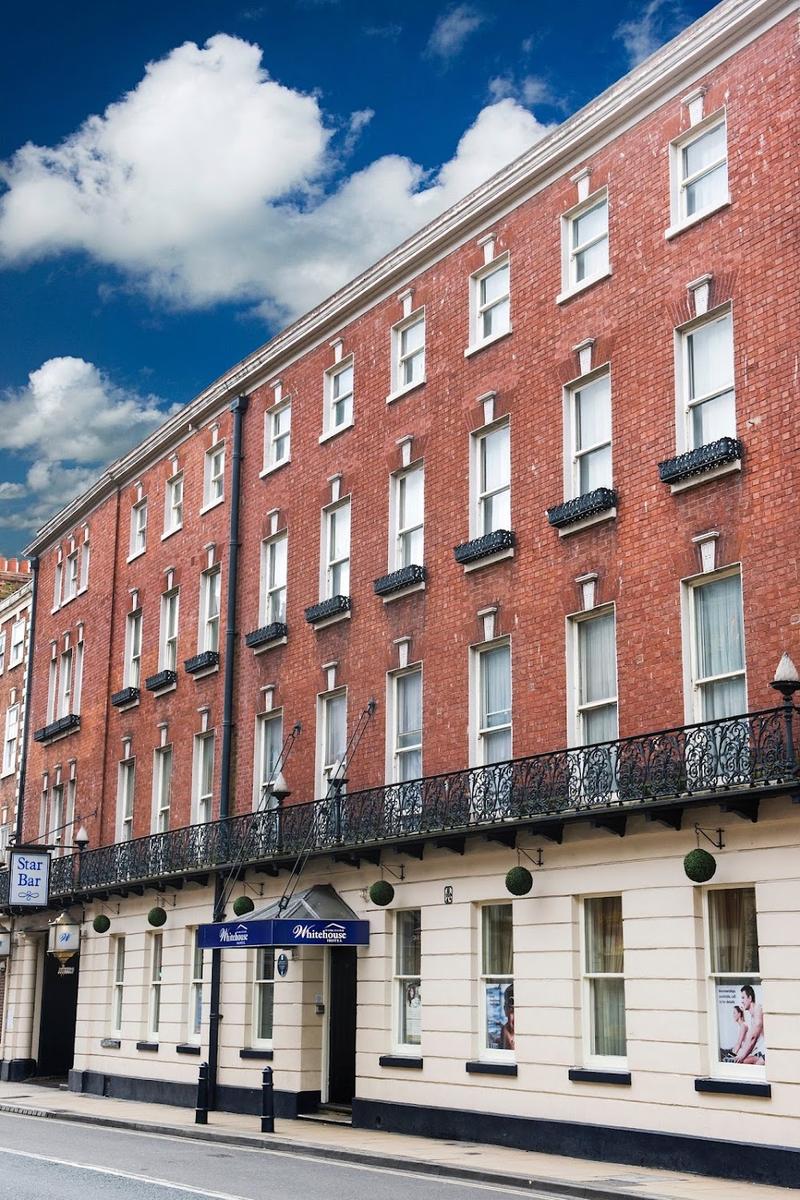
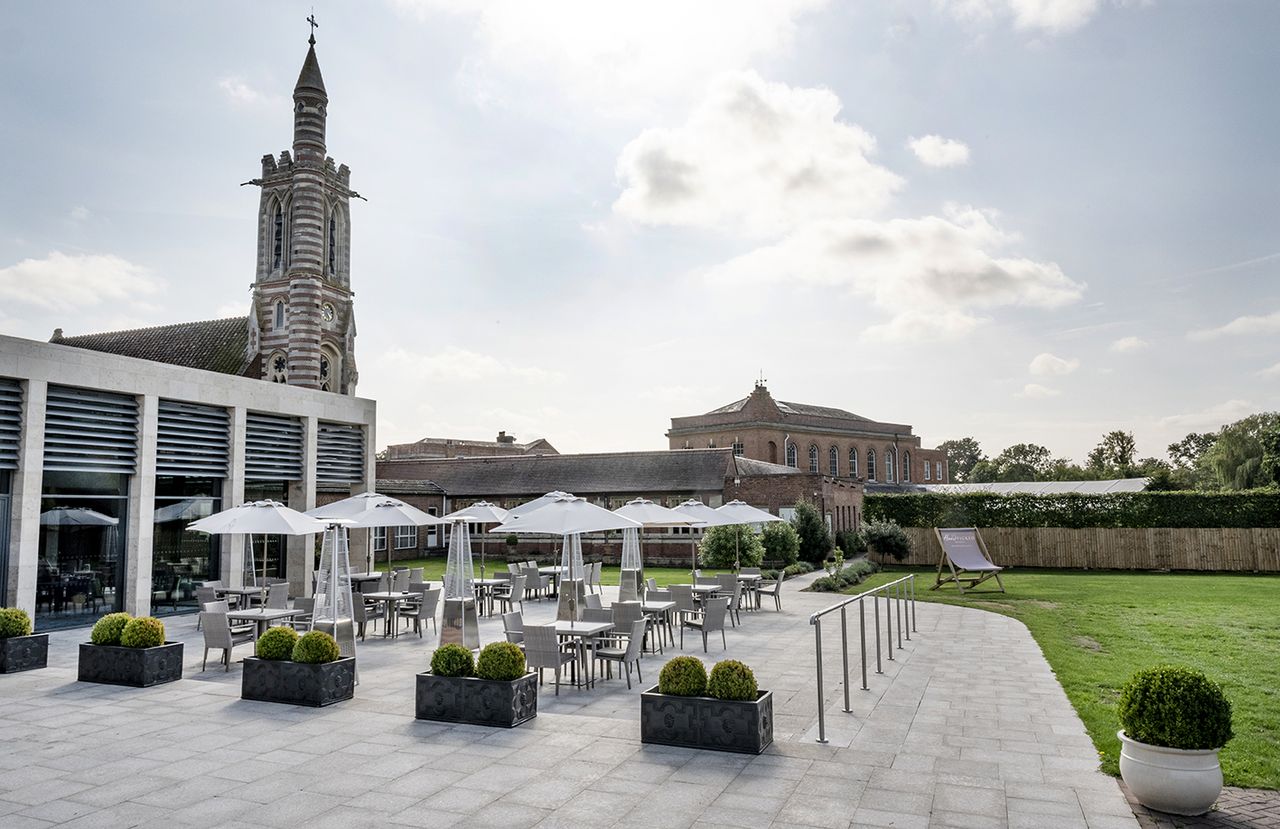
Search Worcester hotels on Booking.com →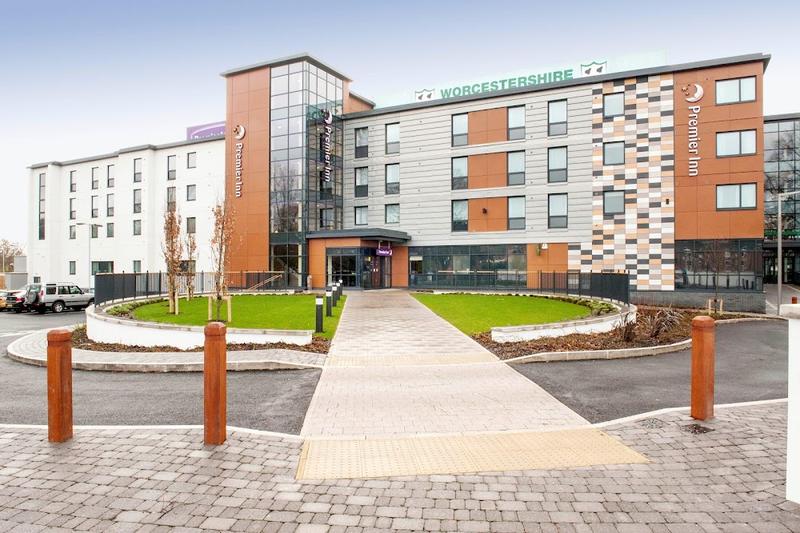


Getting around
Worcester has two railway stations — Worcester Foregate Street, closer to the cathedral and city centre, and Worcester Shrub Hill a little further out — with services towards Birmingham, Hereford and along the Cotswold line to Oxford and London. The city centre itself is compact and walkable, with the cathedral, Commandery and main shopping streets all within a few minutes of each other.